Should You Treat or Remove an Ash Tree with Emerald Ash Borer?
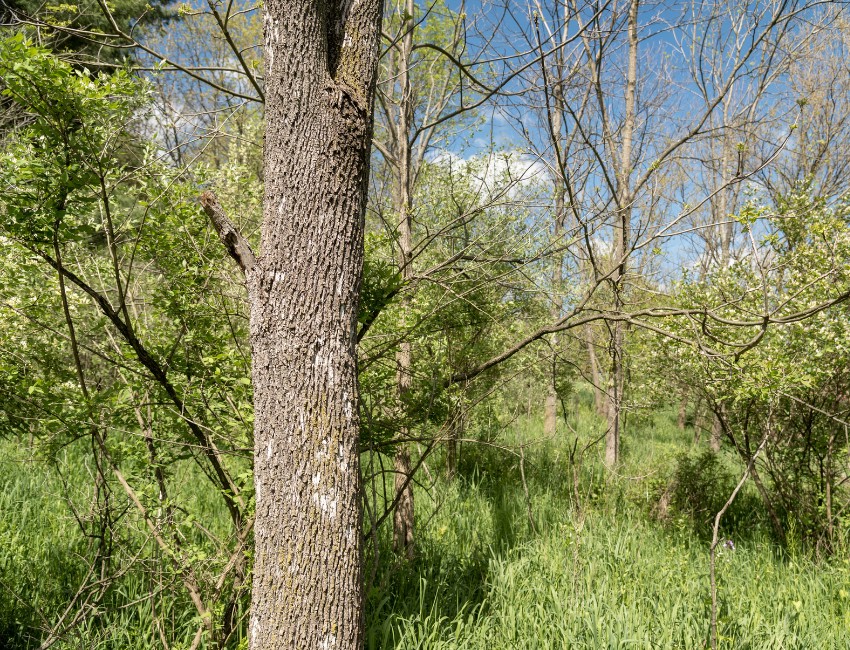
Emerald ash borer has killed hundreds of millions of ash trees across North America, and now it’s arrived in Portland. When the city confirmed the invasive pest in fall 2025, many homeowners realized they could no longer ignore the threat to their ash trees and had to decide whether to treat them or remove them. Both options have real costs and trade-offs depending on your tree’s health and your property’s needs.
Unlike Eastern states, where emerald ash borer arrived a decade ago and most ash trees were already heavily infested or dead before homeowners could act, Portland homeowners in 2026 still have time to decide. Understanding when treatment is worthwhile—and when removal is the better investment—can help you make that decision with confidence.
Key Takeaways
- Proactive treatment before EAB arrives is more effective than waiting for infestation signs to appear.
- Trees with less than 30% crown dieback are good treatment candidates; beyond that, removal often makes more sense.
- Portland requires removal permits for ash trees over 12 inches in diameter on private property, adding timing and regulatory complexity.
- Treatment and removal often have similar long-term costs, so the decision is based on more than price alone.
- Consult an ISA Certified Arborist before deciding; a professional assessment prevents costly mistakes.
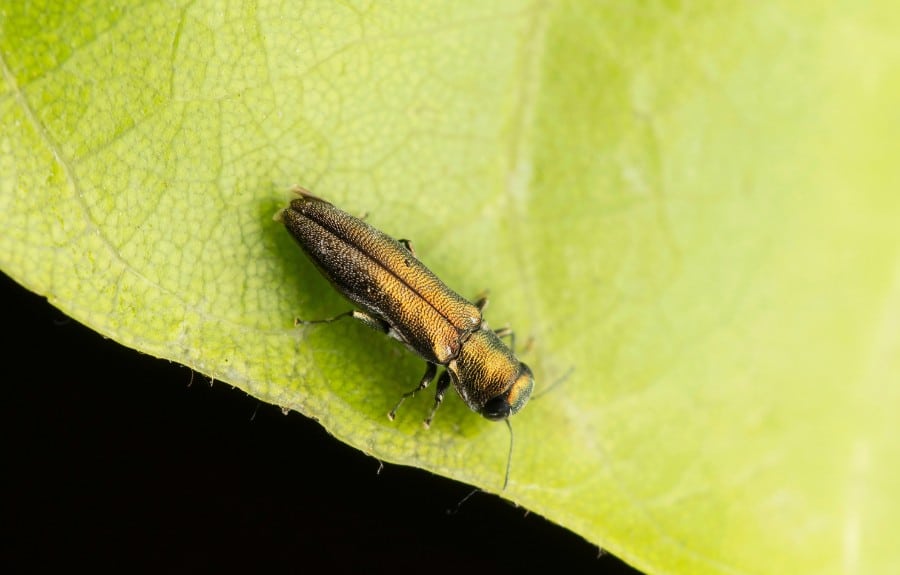
The adult emerald ash borer is only about half an inch long, but the larvae tunneling beneath the bark are what kill the tree.
When EAB Treatment Works Best
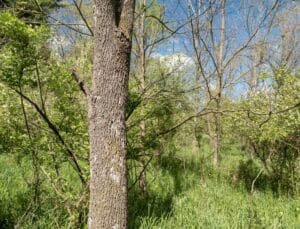
Professional treatment is most effective when applied proactively, before emerald ash borer arrives in your neighborhood. Current arboriculture recommendations favor treating ash trees now in Portland and nearby areas where EAB has been confirmed, rather than waiting for infestation signs to appear. Trees with at least 60% canopy intact are ideal candidates for treatment.
If your tree is already infested, treatment is still possible but becomes less effective. Once a tree shows 30%+ crown dieback, treatment success drops sharply.
Why Homeowners Choose Treatment
For many homeowners, treatment is about preserving a mature tree that would take decades to replace. When started early enough, professional treatments can protect healthy ash trees from emerald ash borer while allowing them to continue providing the benefits that made them worth planting in the first place.
Treatment may be the right choice if you want to:
- Preserve the shade, privacy, and curb appeal a mature ash tree provides.
- Avoid the disruption of tree removal, including heavy equipment, stump grinding, and landscape restoration.
- Protect a healthy tree that would take decades for a replacement to match in size and value.
How Much Does EAB Treatment Cost?
Treatment uses systemic insecticides applied as soil drenches or injections. Exact costs vary based on tree size and treatment method, so discuss budgets directly with your arborist. The main thing to consider is treatment is an ongoing commitment, not a one-time cost. It requires:
- Annual or every-other-year professional applications
- Ongoing monitoring for treatment failure or new infestation
- Realistic budget expectations for multiple years of service
For homeowners committed to keeping a beloved or heritage ash, this investment is often worthwhile.
Should I Remove My Ash Tree?
Tree removal becomes the better choice when your tree shows advanced EAB damage or poses a safety risk. If your ash tree is over 12 inches in diameter on private property, you’ll need a removal permit from Portland, which adds timing and regulatory considerations. Beyond health and safety, removal may align with your preferences if the tree provides minimal functional value.
When Removal Is the Better Option
Treatment isn’t the right choice for every ash tree. When emerald ash borer has caused significant decline or the tree poses a safety risk, removal is often the safer and more cost-effective long-term investment. It may also make sense if the tree provides little shade, privacy, or landscape value and you’re ready to replace it with a species that isn’t susceptible to emerald ash borer.
Removal is often recommended when a tree has:
- Multiple large dead branches or significant canopy thinning
- More than 30% crown dieback
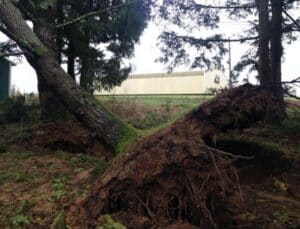
- A dangerous lean or a cracked trunk
- Dead limbs over your house, deck, or power lines
- Minimal shade, privacy, or aesthetic value
What Do I Need to Know About Removing an Ash Tree in Portland?
Removing an ash tree in Portland involves more than hiring a tree service. Depending on the tree’s size and location, you may need a permit, face seasonal work restrictions, and be required to plant a replacement tree. Understanding these requirements ahead of time can help you avoid delays and determine whether treatment or removal is the better option.
Permit Requirements for Ash Tree Removal
On private property, ash trees over 12 inches in diameter generally require a Removal and Replanting Permit. Street trees in the public right-of-way are subject to additional regulations and typically require permits regardless of size.
Permit approval is not automatic, and approved removals require replacement planting. If your ash tree requires a permit, treatment may be a simpler option that avoids the permitting process altogether.
Seasonal Restrictions and Removal Timing
Portland also enforces a seasonal moratorium on ash tree work from April 1 through September 30 to help slow the spread of emerald ash borer.
During this period, felling, pruning, and stump removal are generally prohibited. Hazardous trees may qualify for an exception through the City’s inspection process.
For most permitted removals, work must be scheduled between October and March. If removal is your preferred option, plan ahead to account for both permit review and seasonal timing restrictions.
Documentation and Replanting
All removals must be documented with “EAB” noted as the reason. If removal is approved, replanting is mandatory.
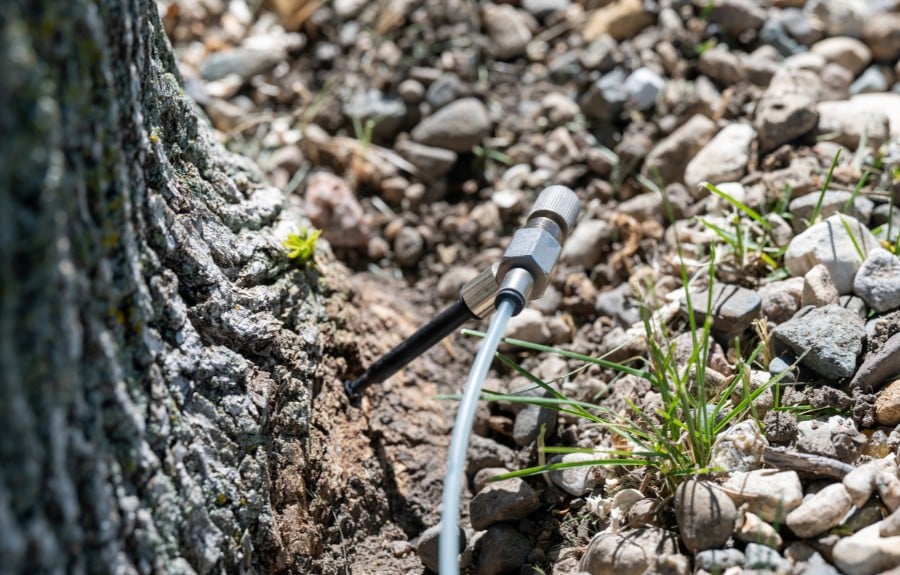
Systemic emerald ash borer treatments are delivered directly into a tree’s vascular system, allowing the active ingredient to move throughout the canopy and target feeding larvae.
How Do I Know Which Option is Best?
The decision comes down to health, value, and commitment.
Assess Your Tree’s Current Health
Look for these warning signs:
- D-shaped exit holes in the bark (one-eighth inch diameter)
- Woodpecker damage searching for larvae
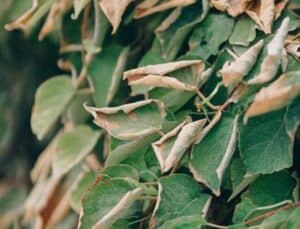
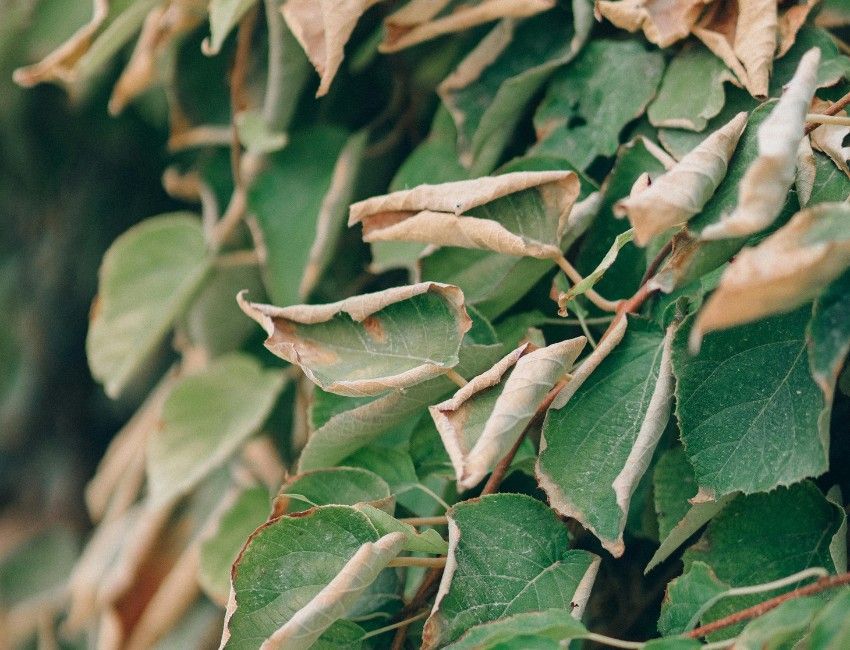
- Branch dieback starting at crown top
- Cracks in trunk, lean, or dead limbs over structures
Red flags for treatment failure include more than 30% crown dieback, significant structural defects, and trees that are smaller than 10 inches in diameter.
Consider Your Tree’s Value
Ask yourself:
- Does it provide significant shade, privacy, or aesthetic appeal?
- Is it a heritage or heritage-candidate tree?
- Is it in a high-visibility location?
If yes to any of these, treatment investment likely makes sense.
Evaluate Your Commitment
Can you:
- Commit to regular treatment appointments for many years?
- Stay in your home long enough to see the investment pay off?
- Monitor the tree regularly and report changes to your arborist?
Treatment only works if you follow through.
Frequently Asked Questions About Ash Tree Treatment or Removal
Should I treat my ash tree before I see signs of EAB?
Yes. Current recommendations favor proactive treatment before emerald ash borer arrives in your neighborhood. If you live in Portland or nearby areas where EAB has been confirmed, treating your ash trees now is often more effective and less costly than waiting for infestation signs to appear. Talk to an ISA Certified Arborist about whether your trees are good treatment candidates.
Can my ash tree be treated if it already has EAB?
Yes—trees with less than 30% crown dieback are good treatment candidates. However, treatment success depends on acting quickly, before severe infestation develops. An arborist can assess whether your tree is still viable.
How long do I have to treat my ash tree?
Act within the same calendar year you notice signs. EAB spreads fast, and treatment becomes less effective once 30–40% of the crown is dead. Treatments are generally most effective in spring or early summer while the tree is actively growing.
Will the removal moratorium prevent me from taking action if my tree becomes hazardous?
No. The moratorium applies to routine removals, not emergencies where a tree poses immediate risk. Emergency removals can proceed with proper documentation outside the moratorium window.
Is it cheaper to treat or remove?
Treatment and removal often have similar long-term costs. The decision usually comes down to whether your tree is healthy enough to justify treatment and whether preserving a mature tree is worth the ongoing investment.
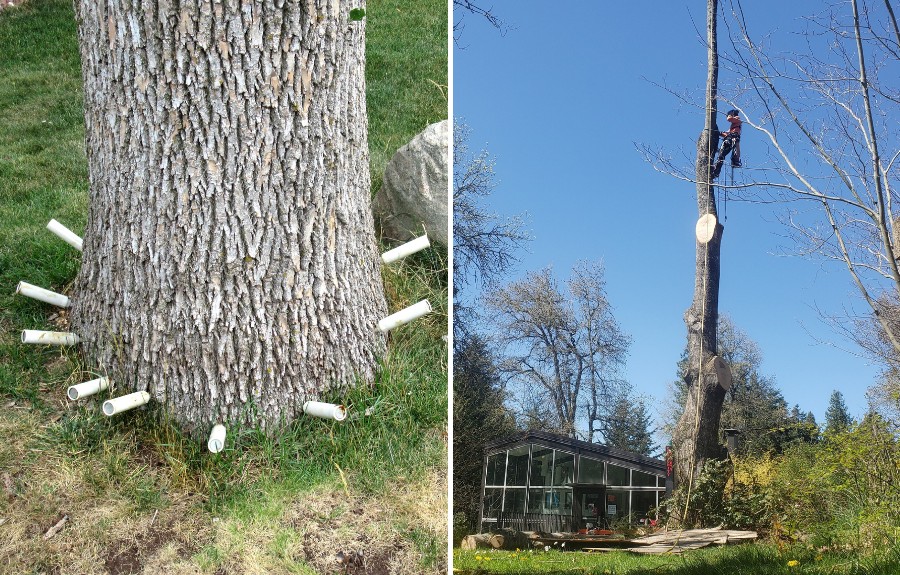
Treatment can protect ash trees that still have a strong canopy and good structural integrity. Trees with extensive dieback, severe infestation, or safety concerns are often better candidates for removal.
Get an Expert Opinion Before You Decide
Treating versus removing an ash tree is a genuine decision—both paths are legitimate depending on your tree’s health and your priorities. The key is getting professional guidance before committing.
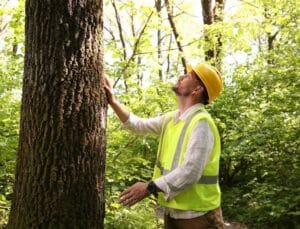
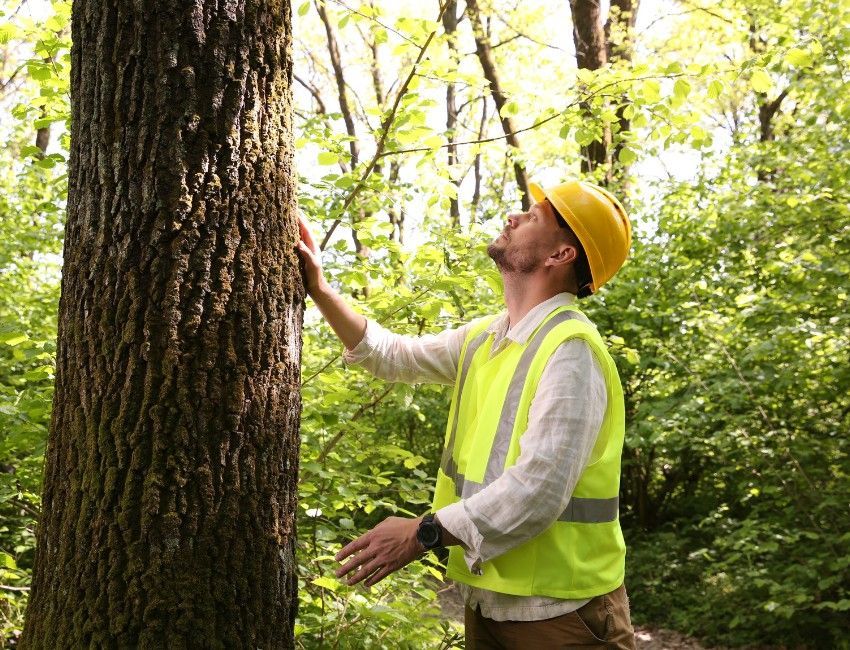
ArborPro’s ISA Certified Arborists can evaluate your tree’s actual health, estimate remaining lifespan if treated, assess structural safety, and help you navigate Portland’s complex permit and heritage tree requirements. With 10 ISA Certified Arborists on staff and over 30 years serving Portland-area homeowners, we’ll give you the facts you need to decide with confidence.
Whatever you choose, act soon. Early treatment is more effective, and early removal planning respects Portland’s seasonal windows. Call 503-473-8733 or schedule a free professional assessment with ArborPro today—because the right decision starts with the right diagnosis.