Spring Tree Health Assessments in Tigard: What to Know Before Full Leaf-Out
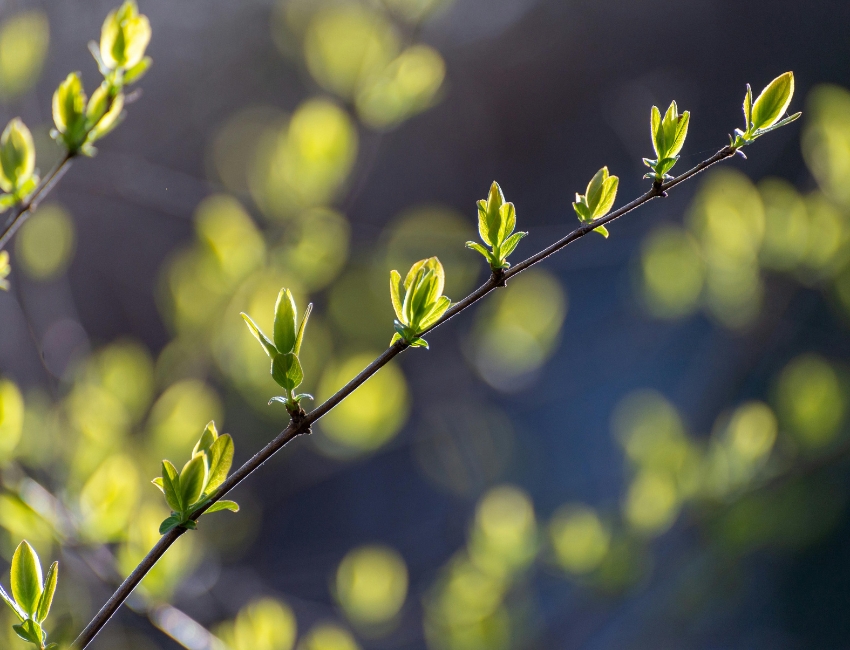
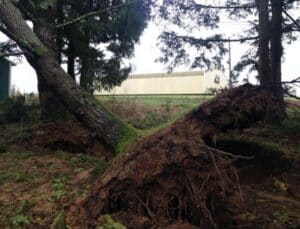
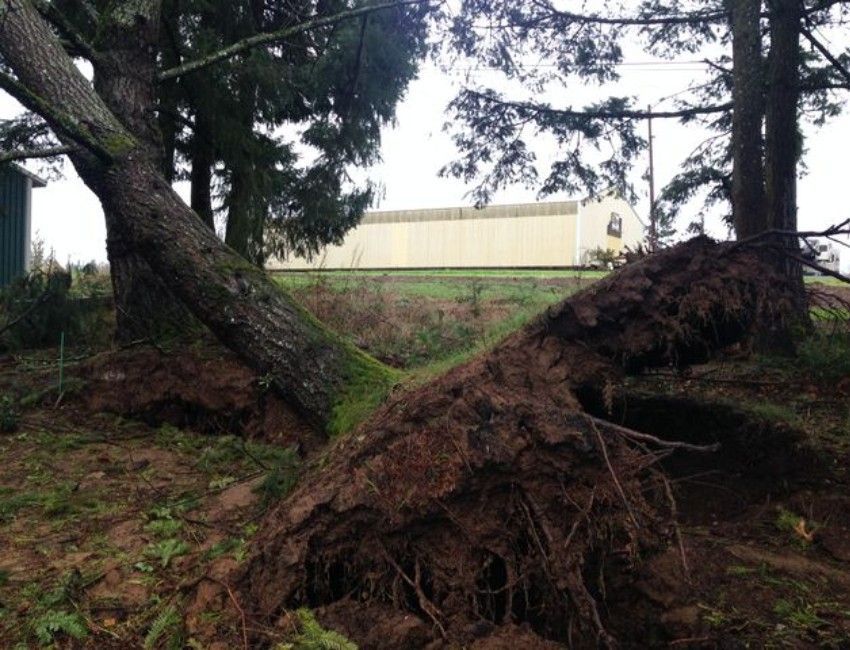
Winters in the Pacific Northwest have not been kind to trees lately. Back-to-back atmospheric rivers, ice storms, and windstorms with 40-mph gusts have battered the Portland metro area — and Tigard has been right in the middle of it.
But downed trees are only part of the story. Dozens more stay standing with cracks, weakened branches, and root problems you can’t see from the ground. That’s exactly why a tree health assessment in Tigard matters most in spring.
Key Takeaways
- Spring is the best time for a tree health assessment because dormant canopies reveal structural problems hidden by foliage.
- A professional assessment follows a systematic crown-to-roots approach that catches issues homeowners typically miss.
- Tigard’s varying terrain — from exposed Bull Mountain ridgelines to low-lying Fanno Creek areas — creates different damage patterns requiring different responses.
- The assessment itself is just the starting point; the real value is the customized care plan that follows.
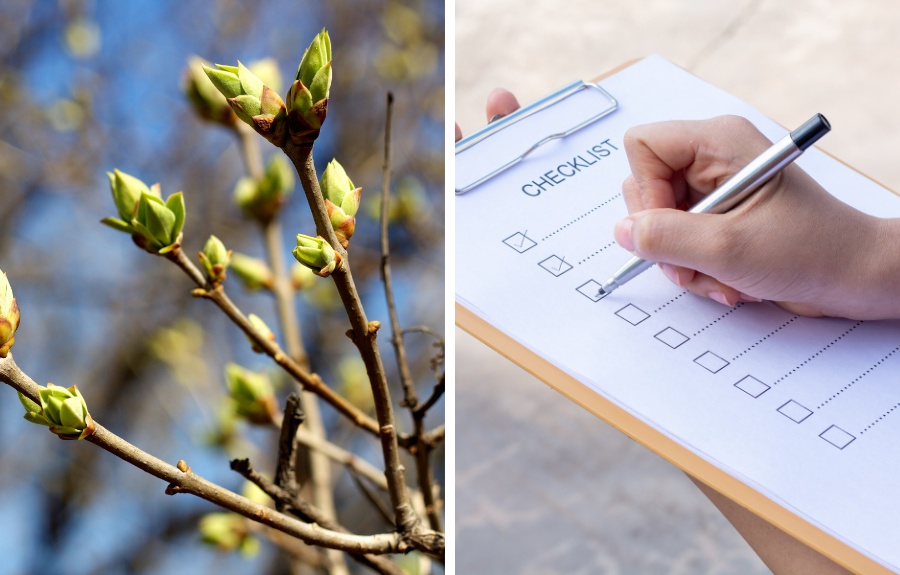
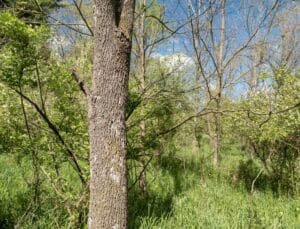
Spring is the ideal time to assess your trees — buds are just beginning to open, and a systematic checklist helps arborists evaluate every part of the tree from crown to roots.
Why Is Spring the Best Time for a Tree Health Assessment?
Spring gives arborists the clearest view of a tree’s structure. Before leaves fill in, every branch attachment, dead limb, and crack in the canopy is visible — details that full summer foliage completely hides. And because winter damage is still fresh, splits, partial branch failures, and bark separation are easier to assess before a tree starts producing callus tissue to seal over wounds. Once that healing process does begin, it becomes increasingly harder to tell a new crack from an old one that’s closing up normally.
Get Ahead of Pest and Disease Season
Spring is also when pest pressure ramps up. Douglas-fir beetle adults can emerge as early as April in the Portland metro area, and stressed trees are their primary targets. After consecutive wet, windy winters, even trees that look healthy from the sidewalk may have compromised root systems or weakened branch unions — exactly the kind of stress that attracts beetles and other pests.
A spring assessment identifies which trees are vulnerable before insect activity arrives, giving you a chance to treat proactively rather than scramble to respond after damage is underway.
How Does Tigard’s Geography Affect Your Trees?
Tigard’s topography creates two distinct risk profiles: wind exposure on the hillsides and saturated soil in the lowlands.
Bull Mountain and Hillside Properties
Bull Mountain’s elevation — roughly 710 feet above sea level — means greater wind exposure than neighborhoods in the valley below. Properties up here take the full force of winter storms, and the mature trees common on these hillside lots bear the consequences.
Many of these trees predate the homes around them, and after consecutive severe winters, even previously healthy trees may have developed structural issues worth evaluating. A spring assessment is the most efficient way to understand what you’re working with before those trees become a liability.
Fanno Creek Corridor and Lower Elevations
Down along Fanno Creek and into the lower-elevation neighborhoods, the concerns shift from wind to water. Much of this area has been developed over the past few decades, and the compacted soil left behind saturates more quickly and drains more slowly than undisturbed ground — so tree roots sit in waterlogged conditions longer after heavy rains, quietly undermining root stability over time.
Combine that with hotter, drier summers that have increasingly stressed urban trees over the past two decades, and you have trees that may look fine above ground while their anchor systems have quietly weakened.
What Does a Professional Tree Health Assessment Include?
A Certified Arborist evaluation follows a systematic top-to-bottom approach, examining three key zones of every tree on your property.
Crown and Canopy Assessment
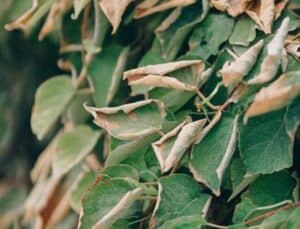
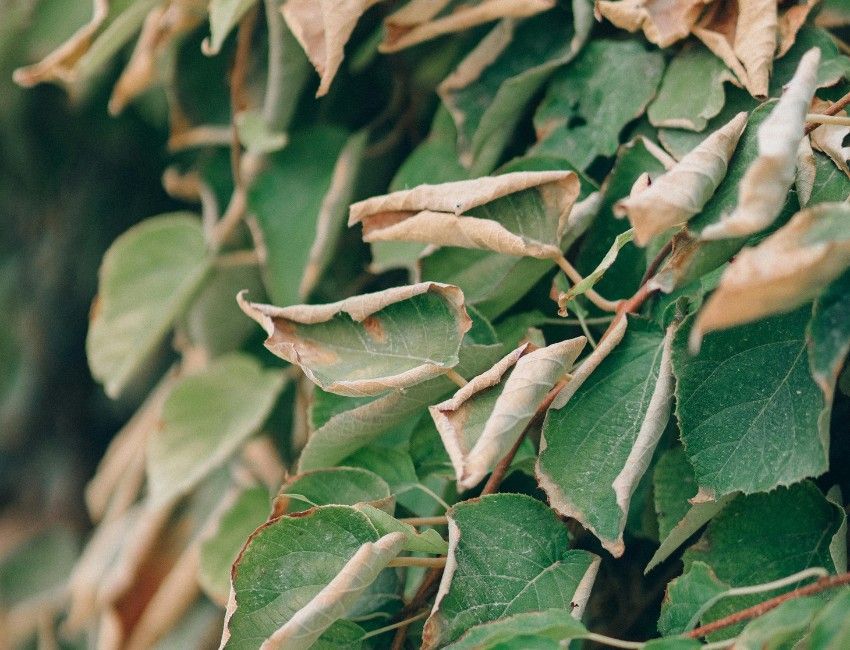
The assessment starts at the top. Your arborist looks for thinning foliage, clusters of dead twigs at branch tips, and leaves that are discolored or undersized compared to what’s normal for the species. For example, Douglas firs — which dominate many Bull Mountain properties — are prone to Swiss needle cast, a fungal disease that causes yellowing and premature needle drop that homeowners typically don’t recognize until significant foliage is already gone.
Your arborist will also evaluate the crown’s overall shape, specifically watching for co-dominant stems and narrow branch attachments, which are structural weak points most likely to fail in the next storm.
Trunk and Branch Inspection
Next, the arborist examines the trunk for cracks, cavities, bark cankers, and seams that suggest internal stress. Fungal conks or mushrooms growing on the trunk are particularly important — they’re one of the most reliable exterior signs that a tree is decaying from the inside out. A tree can look perfectly healthy on the surface while its internal structural wood is compromised.
Old topping cuts are another red flag. Topping — which was common practice decades ago — creates weak regrowth that’s prone to failure, and many mature trees in established Tigard neighborhoods still carry those scars.
Root Zone and Soil Evaluation
Finally, the arborist checks the base of the tree, starting with the root flare — the point where the trunk widens into the root system. A visible root flare is a healthy sign, but when it’s buried under soil or mulch that’s been piled against the trunk, it can signal developing problems. Your arborist also looks for heaving or subsiding soil and girdling roots that are slowly strangling the tree.
Soil condition is especially relevant in newer Tigard developments like River Terrace, where compacted urban soils from construction saturate faster during heavy rains and can destabilize root systems well before any above-ground symptoms appear.
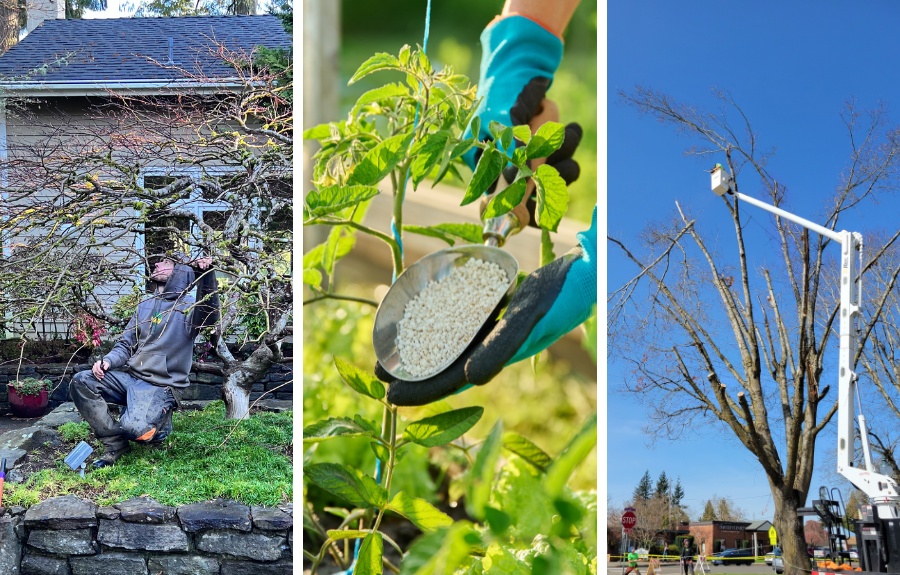
A spring tree health assessment can lead to a range of care options, from structural pruning and plant health care treatments to full tree removal when necessary.
What Happens After a Tree Health Assessment?
The assessment is the starting point — not the end. Once your arborist documents findings with photos and detailed condition notes, they develop a prioritized care plan based on what your trees actually need. Your arborist prioritizes recommendations based on urgency and risk, so the plan might include:
- Structural pruning to remove deadwood or weak branch attachments before they fail
- Cabling or bracing for trees with structural defects worth preserving
- A plant health care program — targeted fertilization, soil amendments, or pest and disease management for stressed trees
- A monitoring plan for borderline situations where the arborist wants to reassess after the growing season
- A removal recommendation when preservation isn’t viable, before the situation becomes an emergency
The seasonal timeline works in your favor here. A spring assessment leads to a treatment plan you can implement before summer heat adds stress — and positions you well ahead of next winter’s storms.
Frequently Asked Questions About Tree Health Assessments in Tigard and Bull Mountain
How often should I have my trees professionally assessed?
For most Tigard properties, an annual assessment is a good baseline. If your trees are mature, near structures, or in a sensitive lands area, twice a year — spring and fall — gives you better coverage heading into both storm season and the growing season.
Should I get a tree assessment before buying a home in Tigard?
Getting a tree assessment before purchasing a home is a smart move, especially for properties with large, mature trees. A pre-purchase assessment can uncover hidden liabilities — like internal decay or root problems — that could mean thousands in future removal or repair costs.
Can a tree that lost branches in a storm recover on its own?
It depends on how much canopy was lost and where the breaks occurred. Clean breaks on smaller branches often heal well. But torn limbs, split crotches, or bark stripping on the trunk usually need professional attention to prevent decay from setting in.
What’s the difference between a tree health assessment and a tree risk assessment?
A health assessment evaluates overall condition — vigor, structure, and disease. A risk assessment specifically evaluates whether a tree poses a safety hazard to people or property and assigns a risk rating.
Do Tigard’s heritage tree or sensitive lands rules affect what I can do after an assessment?
They can. Heritage trees have additional protections, and trees in designated sensitive lands — steep slopes, floodplain, or stream corridors — may require permits before removal. Your arborist can help you navigate these requirements based on assessment findings.
Will a tree health assessment tell me if my tree has emerald ash borer?
A tree health assessment can detect early signs of emerald ash borer, including canopy dieback, bark splitting, and D-shaped exit holes. However, lab confirmation or closer inspection may be needed for a definitive diagnosis. Early detection through regular assessments is key to treatment success.
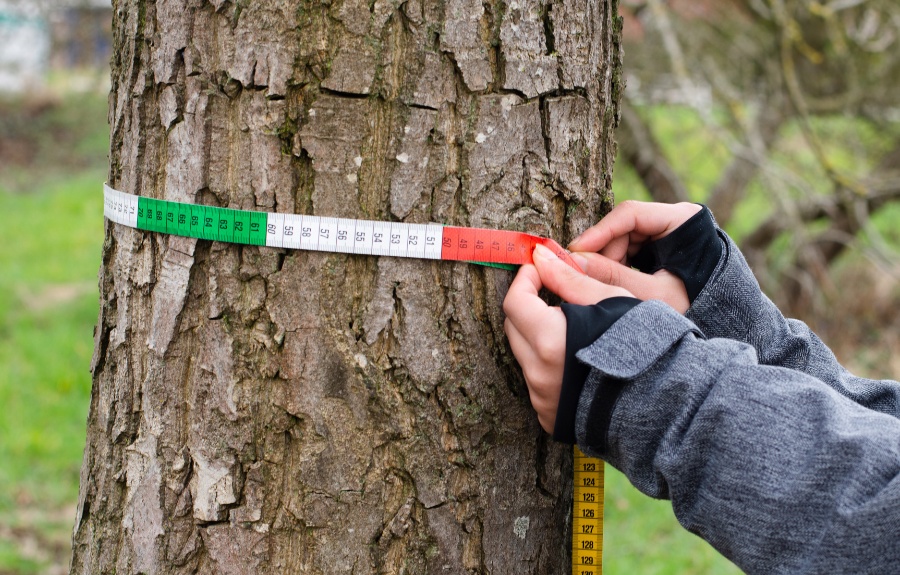
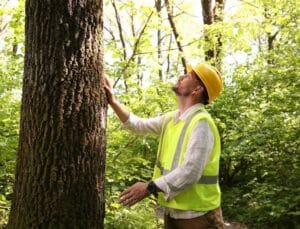
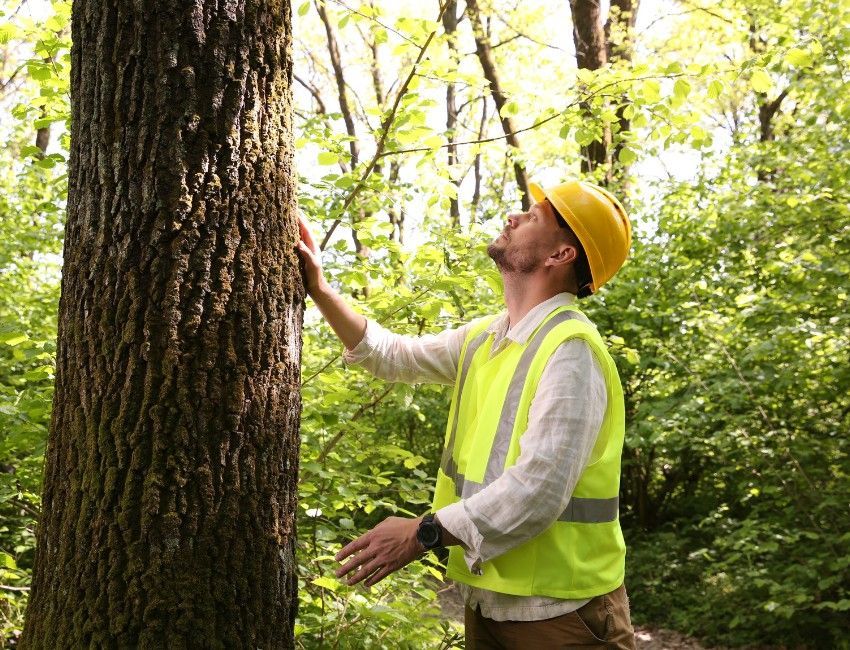
Measuring trunk diameter is one of the first steps in a professional tree health assessment, helping arborists document tree size and track changes over time.
Schedule a Spring Tree Health Assessment in Tigard with ArborPro Tree Experts
After a crazy winter, the smartest move is getting ahead of problems while they’re still visible. A professional assessment gives you a clear picture of where your trees stand and a plan for what comes next.
ArborPro’s team of ISA Certified Arborists has been serving Tigard and the Portland metro area for over 30 years. Call us at 503-648-8733 or request a free estimate to schedule a spring tree health assessment for your property.
Your trees made it through winter. Let’s make sure they’re ready for everything that comes next.