What’s Causing Yellow Leaves on Trees This Spring in Tualatin?
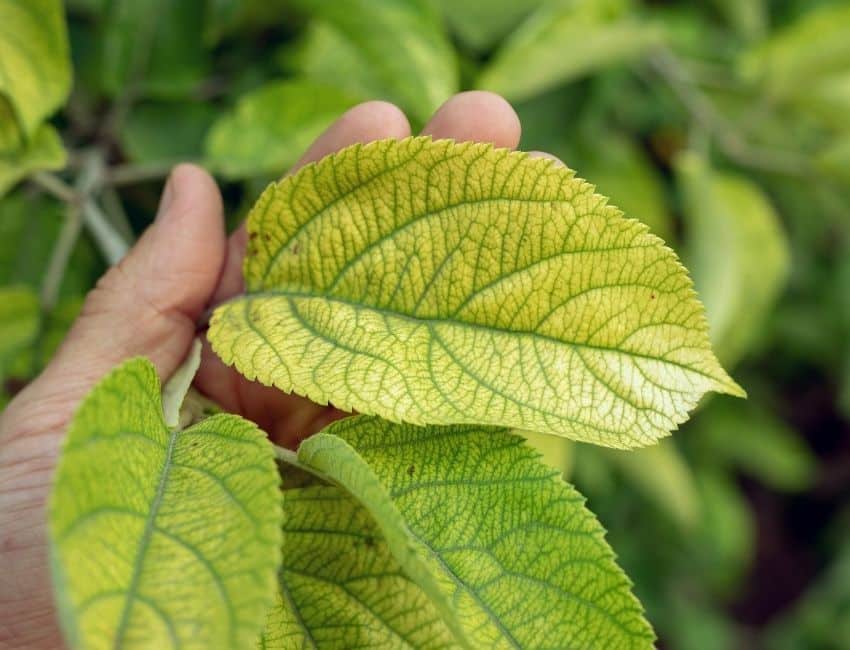
Oregon’s snowpack hit some of its lowest levels in more than a decade this winter, with Mount Hood measuring just 43% of normal in early April. That matters for trees across Tualatin and the Portland metro because less mountain snowmelt means drier soils heading into summer, more stressed root systems, and a higher chance that the yellow leaves you’re seeing now are an early warning rather than a passing cosmetic issue.
The tricky part is that several very different problems can all look exactly the same at first glance. A tree drowning in saturated soil can look a lot like one struggling with iron uptake or fighting off a fungal issue. Paying attention to certain patterns, such as where it’s yellowing, which leaves are affected first, and how quickly it’s spreading, can help you determine what kind of professional care your tree may need before the problem gets worse.
Key Takeaways
- In spring, the most common cause of yellow leaves is usually saturated clay soil rather than drought.
- Iron chlorosis in western Oregon is usually a root uptake problem, not an alkaline soil problem.
- Pattern matters more than color — which leaves are yellow, where the symptoms appear, and how quickly they’re spreading all help narrow down the cause.
- Several different issues can create nearly identical symptoms, which is why a soil check or arborist assessment is often the difference between guessing and diagnosing the actual problem.
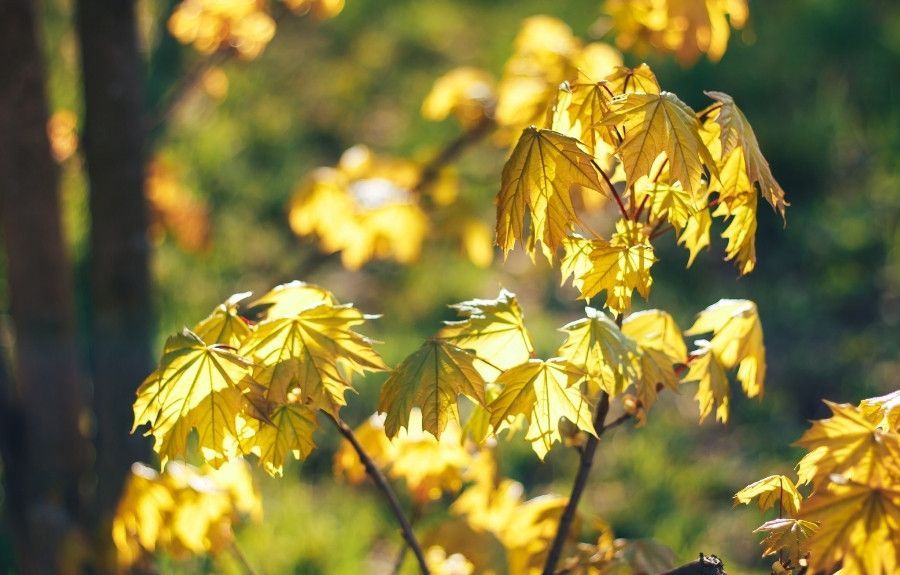
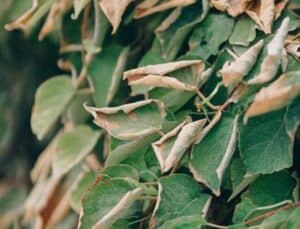
Some yellowing during spring leaf-out is temporary and normal, while uneven or spreading discoloration can signal stress.
Are Yellow Leaves in Spring Normal?
Some spring yellowing is completely normal, but the wrong kind can be a real warning sign. The key is paying attention to the pattern.
Normal spring yellowing usually looks like:
- Older interior leaves dropping as new growth fills in
- Conifers shedding older inner needles
- Temporary yellowing during early leaf-out on certain species
Yellowing that deserves a closer look usually looks like:
- New growth emerging yellow from the start
- One branch yellowing while the rest of the canopy stays green
- Yellowing that spreads week over week
- Yellow leaves paired with thinning, dieback, or premature leaf drop
Pacific Northwest spring weather can make yellowing harder to interpret. Between long stretches of rain, saturated clay soil, and sudden temperature swings, trees around Tualatin can show stress even when nothing catastrophic is happening. Some bounce back once the weather settles and the soil dries out a bit. Others keep declining into summer, especially if they were already stressed going into the season.
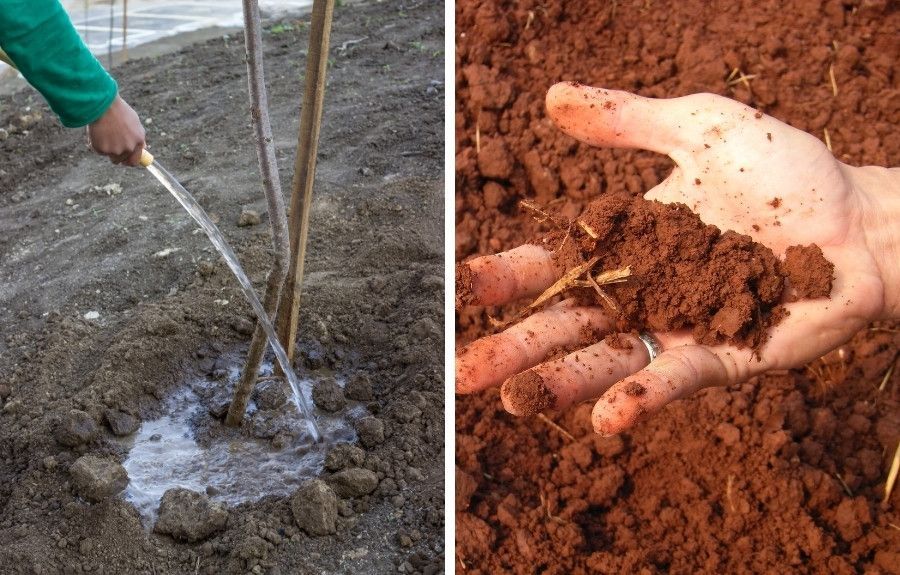
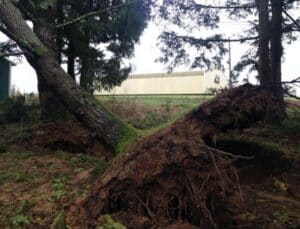
Poor drainage and saturated clay soil are one of the most common causes of yellow leaves in Portland-area landscapes.
How Does Overwatering and Saturated Soil Cause Yellow Leaves?
Overwatering and saturated soil cause yellow leaves by suffocating the roots, which is the single most common spring issue we see.
Why Excess Water Causes Yellow Leaves in Spring
The clay-heavy soils common across the Willamette Valley don’t drain well, especially during long stretches of spring rain. OSU Extension flags this kind of poorly draining soil as a leading cause of planting failure across the valley. Once saturated soil pushes oxygen out of the root zone, roots stop functioning normally. They can’t absorb water or nutrients efficiently, which is why overwatered trees often look drought-stressed at the same time.
This is especially common in neighborhoods near the Tualatin River and other low-lying areas where water tables sit close to the surface. Common signs of saturated soil include:
- Yellowing leaves that also wilt
- Muddy soil near the root zone
- A sour or swampy smell around the base of the tree
- Slow growth or thinning canopy development
When Saturated Soil Becomes Phytophthora Root Rot
If wet conditions persist long enough, the problem can shift into Phytophthora root rot. At that point, roots begin dying and decaying underground, which limits the tree’s ability to absorb water and nutrients even after the soil dries out. Symptoms often include:
- Yellowing combined with canopy thinning
- Branch dieback
- One-sided decline
- Ongoing stress despite reduced watering
This is usually when DIY treatments stop helping. Phytophthora isn’t something you spray away, and pruning alone won’t fix the underlying issue. Diagnosis and management both require an experienced arborist who can evaluate root health and site drainage conditions. Our tree preservation services are built around catching root problems early enough to intervene before decline accelerates.
Why Yellow Leaves Sometimes Still Have Green Veins
Yellow leaves with dark green veins usually point to an iron uptake problem, called iron chlorosis. In western Oregon, though, that problem is rarely caused by naturally alkaline soil.
A lot of national tree-care articles frame iron chlorosis as a high-pH soil problem. That’s true in many parts of the country, but western Oregon soils are naturally acidic, typically ranging between 4.5 and 6.2. Reaching for a soil acidifier because of advice written for the Midwest or Southwest can actually make things worse here.
In Tualatin, iron chlorosis is usually caused by:
- Waterlogged roots that physically can’t absorb iron
- Root damage from trenching, grading, or compaction
- Localized alkalinity near concrete driveways, sidewalks, or foundations
What Iron Chlorosis Looks Like:
- Yellow leaf tissue
- Dark green veins
- Symptoms appearing most heavily on newer growth
The fix depends entirely on the underlying cause. Correcting drainage is different from repairing root damage, which is different from adjusting soil conditions near concrete. That’s why a proper diagnosis matters before adding supplements or soil treatments, and why an ISA Certified Arborist assessment usually saves homeowners from treating the wrong issue.
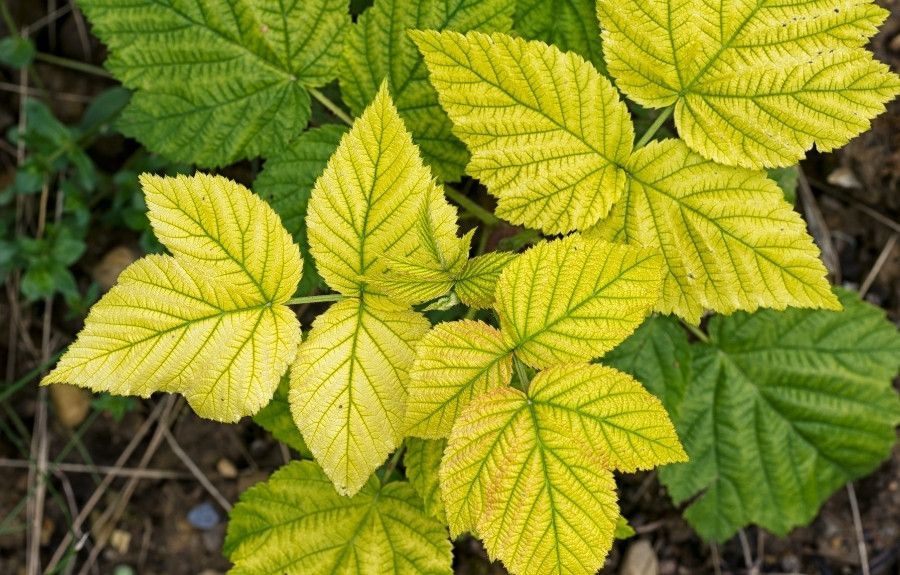
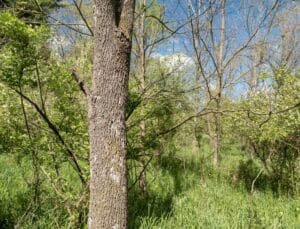
Nutrient deficiencies often follow recognizable patterns, which helps arborists separate them from disease or root stress.
Could a Nutrient Deficiency Be Causing Yellowing Leaves?
Yes, and a nitrogen deficiency is the most common nutrient-related cause of yellow leaves in the Pacific Northwest.
PNW winters dump enough rain into the soil to gradually leach nitrogen out of the root zone, especially in landscapes where leaf litter gets removed every fall instead of decomposing naturally. Trees surrounded by turfgrass also compete heavily for nutrients.
The pattern is what separates nitrogen deficiency from iron chlorosis.
Nitrogen Deficiency Looks Like:
- Older interior leaves yellowing first
- Newer growth staying greener longer
- More uniform yellowing across the canopy
Other nutrient deficiencies, including manganese and magnesium, can produce similar symptoms but are much less common in our region. Blanket fertilizer applications without knowing the actual issue can sometimes stress the tree further or delay proper treatment.
Are Pests or Disease the Cause of Yellow Leaves?
Pests and disease are common culprits when yellow leaves show up alongside spotting, dieback, or canopy thinning. A few common patterns we see around Tualatin and the Portland metro include:
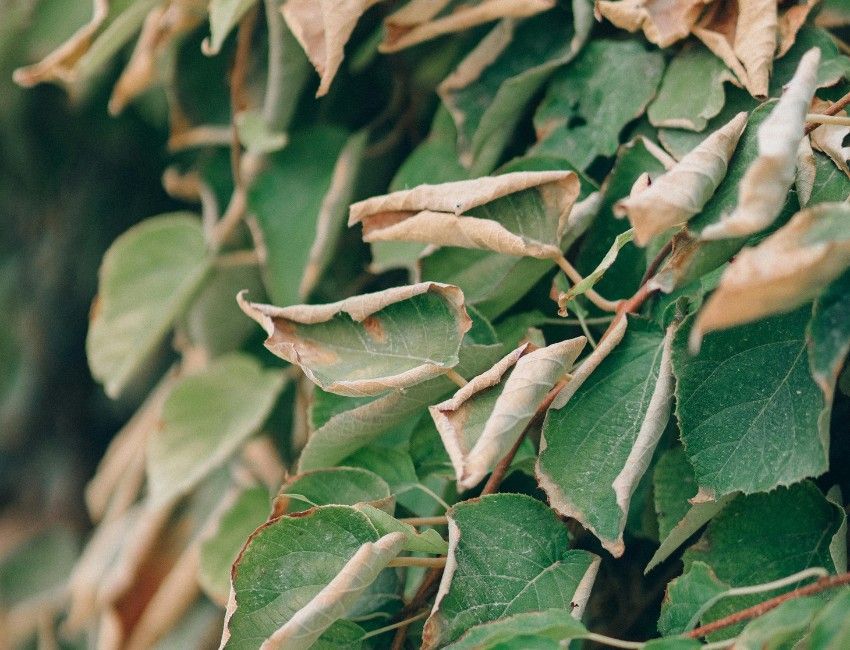
- Brown blotches and curled leaves (often fungal disease)
- One-sided decline (often vascular disease or root damage)
- Thin yellowing at the top of the canopy (often borers)
- Premature leaf drop after a wet spring (often anthracnose)
Anthracnose and Other Fungal Diseases
Anthracnose shows up after mild winters followed by wet spring weather, and the City of Portland flags it as a common local issue on maples, oaks, ash, dogwood, and sycamore.
Symptoms usually include:
- Yellowing with irregular brown blotches
- Curled or distorted leaves
- Premature leaf drop
- Sparse spring canopy development
Some trees recover quickly and push new growth once conditions dry out. Others lose enough foliage to stress the tree for the rest of the growing season.
Verticillium wilt is another fungal issue worth watching for, especially on maples. It often causes one-sided yellowing or decline where entire limbs struggle, while the rest of the canopy appears healthy.
Bronze Birch Borer and Emerald Ash Borer
Bronze birch borer damage often starts with sparse, yellowing leaves near the top of the canopy. By the time symptoms are visible from the ground, the larvae have usually been feeding beneath the bark for months.
Emerald ash borer creates a similar top-down decline pattern in ash trees and is now established in Oregon as well.
Warning signs of borer activity can include:
- Thin canopy growth near the top of the tree
- Yellowing concentrated in upper branches
- D-shaped exit holes
- Splitting bark or increased woodpecker activity
Both pests move faster than most homeowners expect, and both respond much better to early intervention than delayed treatment.
Why Early Diagnosis Can Protect Tree Health
Yellow leaves are often one of the first visible signs that something is changing with a tree’s health. Sometimes the issue is minor and easy to correct. Other times, the yellowing is tied to root damage, disease, or long-term stress that needs a more targeted plan.
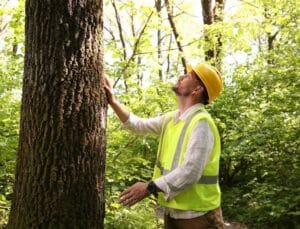
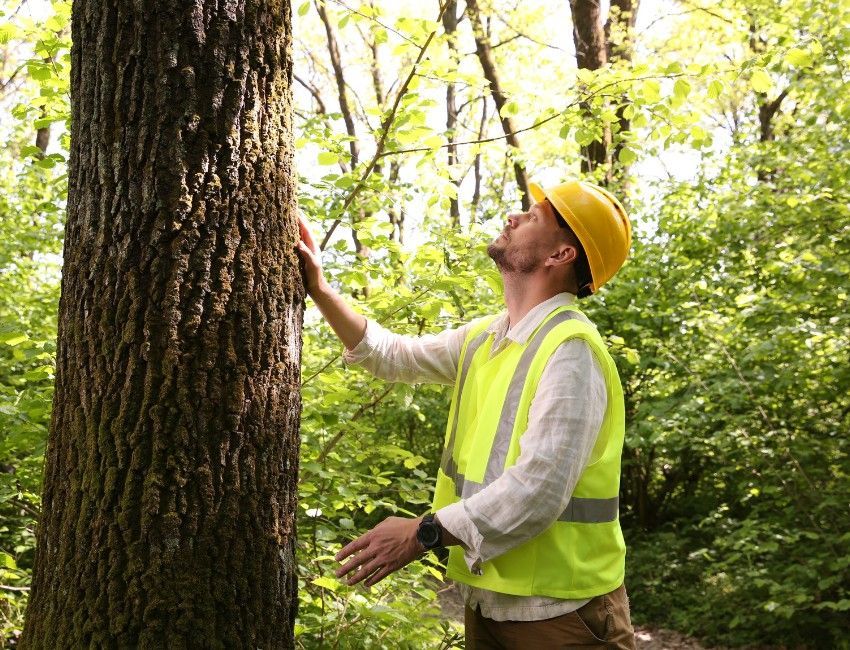
The earlier those changes are evaluated, the better the chances of protecting the tree’s overall health and preventing additional decline. An ISA Certified Arborist can usually narrow down the cause by looking at the yellowing pattern, soil conditions, canopy growth, and root environment together — which is much more reliable than trying random treatments and hoping one works.
Frequently Asked Questions Yellowing Leaves
Can yellow leaves turn green again?
Yes, sometimes leaves can turn green again. If the problem is mild and caught early, new growth may come in healthy once the underlying issue is corrected. Existing leaves that are badly damaged usually won’t recover completely.
Why are only some of my tree’s leaves yellow?
Branch-specific or one-sided yellowing usually points to localized root damage, vascular disease, or girdling roots affecting circulation on one side of the tree. Whole-canopy yellowing is more often tied to systemic root, water, or soil problems.
Should I fertilize a tree with yellow leaves?
No, you should not fertilize a tree with yellow leaves until you know what’s causing the yellowing. Fertilizing a tree that’s actually struggling with root rot or saturated soil can sometimes make the decline worse instead of better.
How quickly should I act if my tree’s leaves are turning yellow?
If yellowing is spreading quickly or paired with branch dieback, it’s worth scheduling an assessment within a couple of weeks. Slower, isolated yellowing can sometimes be monitored for a short period first, but ongoing spread usually means something deeper is happening below the surface.
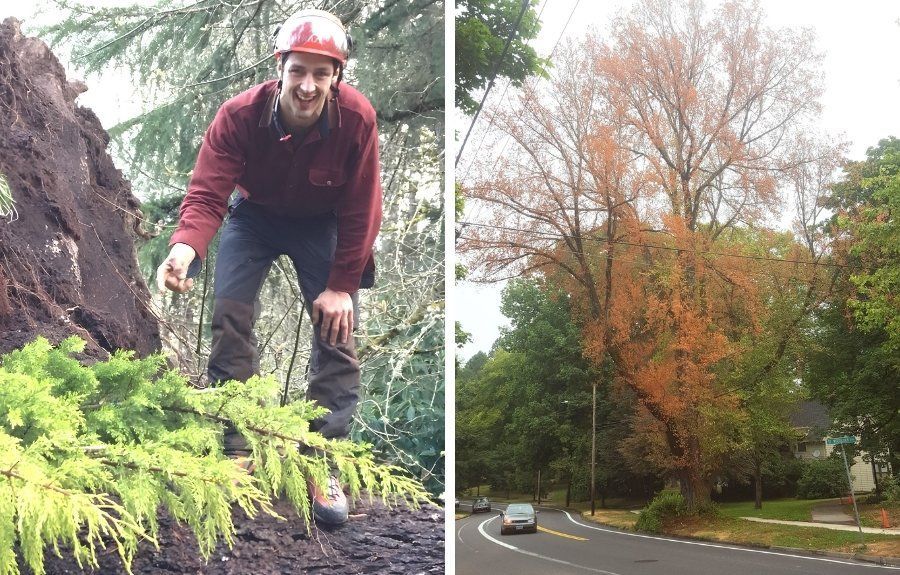
Yellow leaves are often an early warning sign of larger root, drainage, or stress-related problems developing below the surface.
Don’t Ignore Yellow Leaves This Spring – Call ArborPro Today!
Yellow leaves don’t always mean a tree is dying, but they do mean the tree is responding to some kind of stress. Around Tualatin and the Portland metro, that stress is often tied to saturated soil, root problems, nutrient uptake issues, or seasonal disease pressure — and several of those problems can look nearly identical at first glance. The earlier you notice these changes, the better the chances of identifying the cause and protecting the tree’s long-term health.
If you’ve noticed yellowing that’s spreading, returning year after year, or paired with thinning, dieback, or unusual leaf drop, ArborPro’s ISA Certified Arborists can help determine what’s actually causing the stress and what the next steps should be. Call us today at 503-648-8733 or request an assessment online.