How to Spot Trees Most at Risk of Failing in Winter Storms
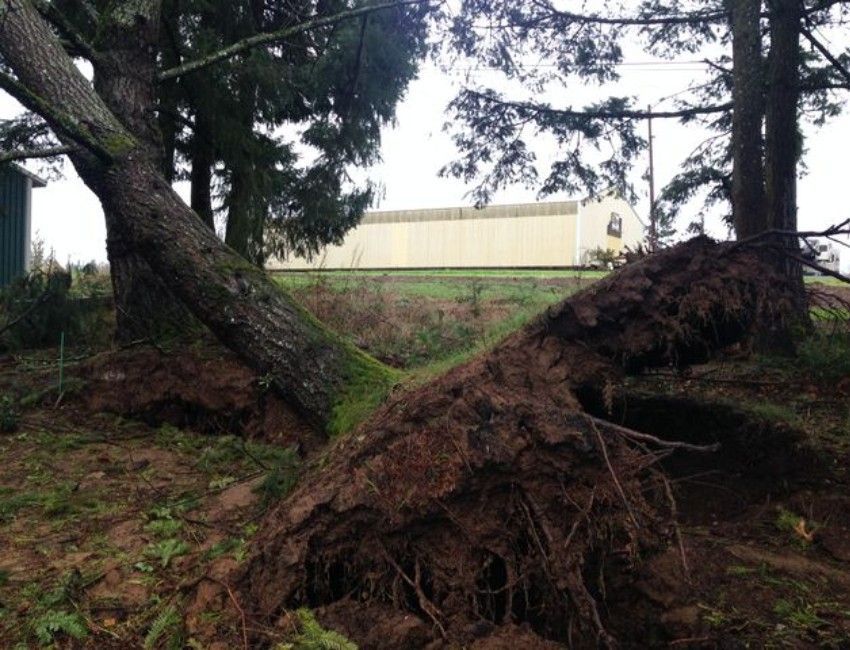
When the first heavy fall rains arrive in West Linn, a tree that looked perfectly fine all summer can suddenly face very different conditions. Wetter soil and winter winds can put added stress on trees with existing root or structural weaknesses, making them more vulnerable to uprooting, trunk failure, or broken branches during storms.
The challenge is knowing whether a tree actually has one of those weaknesses. Some warning signs, such as a new lean or cracking soil around the roots, can be spotted from the ground, while others aren’t obvious without a professional assessment. Here’s what you can look for yourself, what an arborist may catch that you can’t, and when it makes sense to have a tree assessed before storm season.
Key Takeaways
- Saturated fall and winter soil can reduce root anchorage and increase failure risk when combined with wind, root problems, or structural defects.
- A new lean, cracking soil, fungal growth at the base, or other visible changes can be reasons to have a tree evaluated, although none proves on its own that the tree is likely to fail.
- A visible or hidden defect doesn’t automatically make a tree is high risk; an assessment considers the likelihood of failure and what could be affected if it fails.
- Fall is a practical time to schedule an assessment while there’s still time to address potential problems before winter storms arrive.
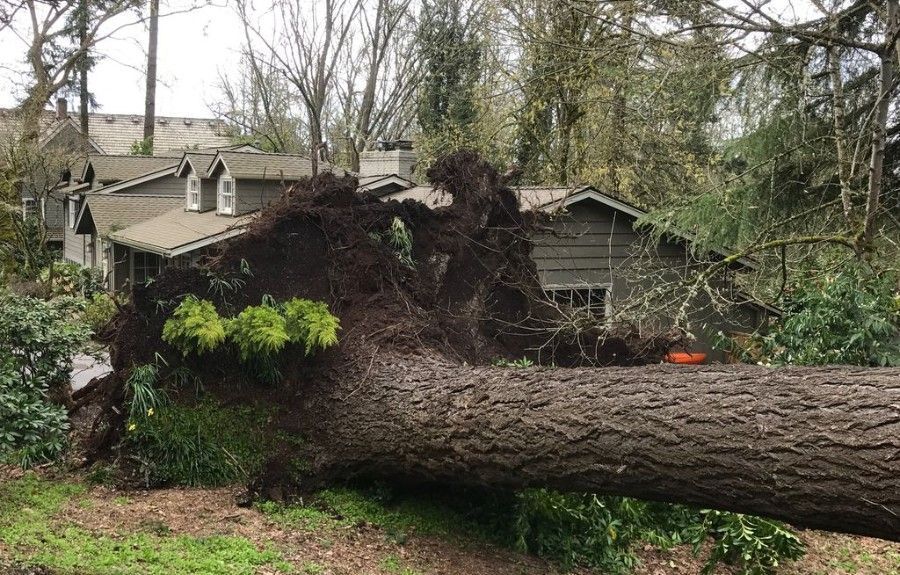
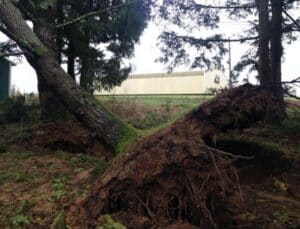
Saturated soil, strong winds, and existing root or structural weaknesses can make some trees more vulnerable to uprooting during storms.
What Makes Trees More Likely to Fail This Winter?
The trees most likely to fail in Portland winter storms are those that already have conditions that make them less able to withstand severe weather. No single species or type of tree is automatically more likely to fail in a storm. The likelihood of failure depends on several factors, including the tree’s condition, root system, size, exposure, surrounding targets, and the severity of the storm.
Saturated Soil Can Reduce Root Anchorage
Roots hold a tree upright partly through friction and shear strength in the surrounding soil. As Portland’s fall rain saturates the ground, that soil can provide less support, making trees with existing root or structural weaknesses more vulnerable to uprooting. That’s one reason fall is a good time to evaluate questionable trees, before winter storms put those weaknesses to the test.
Existing Structural Weaknesses Can Fail Under Wind Loads
Strong winter winds can put additional force on weak branch unions, cracked limbs, decayed wood, and other existing structural defects. A tree may tolerate those conditions during calmer weather but become more vulnerable when wind increases the load on already weakened areas.
Root Damage Can Make Trees More Vulnerable to Uprooting
Roots damaged by trenching, driveway or patio construction, excavation, or grading may leave a tree with less structural support. The effects aren’t always immediately obvious, which is why previous construction or soil disturbance around a mature tree is important to consider when evaluating its storm risk.
What Are the Warning Signs a Tree May Be More Likely to Fail?
You don’t need specialized equipment to spot every potential concern. Changes in the tree, soil around its base, or even recent work near its roots can provide clues that a tree deserves a closer look before winter storms arrive. Watch for:
- New or Sudden Lean: A lean that wasn’t there before, especially paired with cracking or heaving soil on the opposite side, often signals root plate movement.
- Codominant Stems with Included Bark: V-shaped unions where bark is trapped between two stems instead of wood fusing together are a common failure point.
- Mushrooms or Shelf Fungi at the Base: Mushrooms or fungal conks at or near the base can be associated with decay and are worth flagging for an arborist, although they don’t by themselves establish how extensive or structurally significant any decay may be.
- Soil That Stays Wet Near the Root Flare: Persistent wetness around the root flare, poor drainage, or grade changes that bury the flare can create conditions worth evaluating and mitigating, particularly when accompanied by other signs of root or tree stress.
- Recent Root Cutting or Trenching: If utility work, driveway construction, patio work, excavation, or grading has damaged roots, especially if the tree later developed dieback, decline, or a new lean, that history is worth flagging.
Finding one of these signs doesn’t automatically mean removal. Many structurally weak but valuable trees can be preserved with the right intervention once an arborist confirms what’s actually going on.
What Can an Arborist Find That You Might Miss?
Not every condition that can make a tree more vulnerable to failure is easy to identify from your yard. Decay can be hidden inside the trunk, the extent of a structural weakness may not be visible, and root problems can be difficult to evaluate from the surface. A professional tree risk assessment takes a closer look at these conditions and determines whether they actually increase the likelihood of failure.
Internal Decay Hidden Beneath a Healthy Canopy
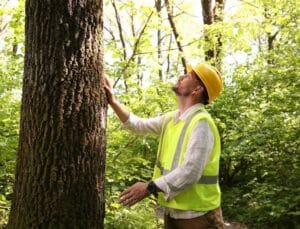
A tree can maintain a healthy-looking canopy even when decay is affecting wood inside the trunk. An arborist who holds the ISA Tree Risk Assessment Qualification (TRAQ) looks for indicators such as cracks, cavities, or fungal conks that may point to conditions that aren’t obvious from the tree’s outward appearance.
Structural and Root Problems That Aren’t Easy to Evaluate
You may be able to spot a codominant union, a new lean, or changes in the soil around a tree, but determining how significant those conditions are is more difficult. The extent of a structural weakness may not be visible from the outside, while root and root-collar conditions can be difficult to evaluate from the surface.
A professional tree risk assessment considers these conditions together with the tree’s size, exposure, surrounding targets, and likelihood of failure. If a visual assessment doesn’t provide enough information to reach a reasoned conclusion, the arborist may recommend additional investigation or diagnostic testing.
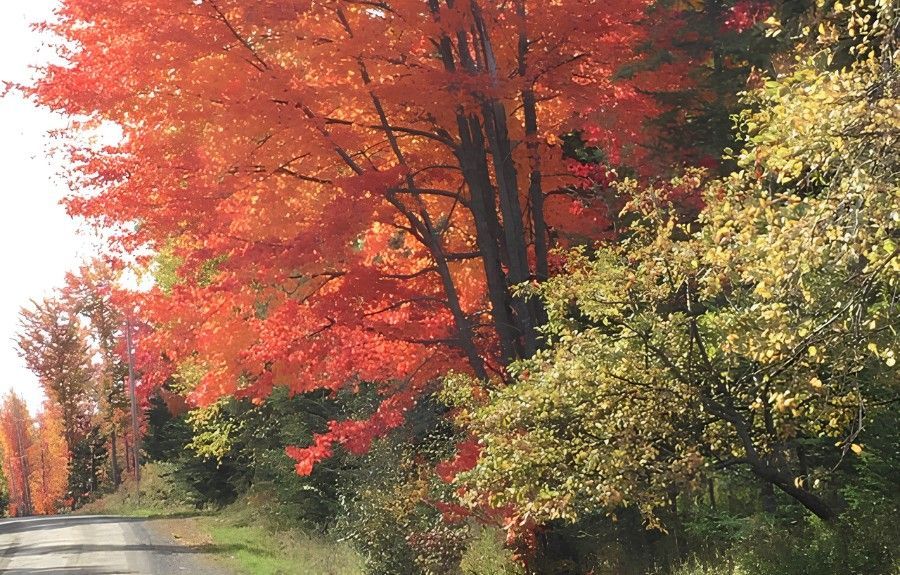
Fall gives Portland-area homeowners time to evaluate questionable trees and address potential concerns before winter storms arrive.
Why Is Fall the Right Time to Schedule a Risk Assessment?
Finding a potential problem before storm season gives you time to decide what, if anything, needs to be done about it. Some trees may only need monitoring, while others may benefit from pruning, structural support such as cabling or bracing, or removal when the risk can’t be adequately mitigated. Addressing those decisions before severe weather arrives is easier than discovering the problem when a tree or branch has already failed.
What Does a Fall Tree Risk Assessment Cover?
A tree risk assessment looks at more than whether a tree appears healthy. ArborPro evaluates the tree and the conditions around it to understand how likely a failure is and what could be affected if one occurs. That includes looking at:
- Crown and Branches: Dead or broken limbs, canopy dieback, weak attachments, and other conditions that could contribute to branch failure.
- Trunk and Major Unions: Cracks, cavities, decay indicators, codominant stems, included bark, and other structural concerns.
- Roots and Root Collar: Visible root damage, changes around the base, signs of root plate movement, and conditions that could affect stability.
- Site Conditions: Soil, drainage, slope, recent construction or excavation, and the tree’s exposure to wind.
- Potential Targets: Homes, vehicles, walkways, utility areas, and other people or property that could be affected if the tree or a branch fails.
ArborPro’s arborists who hold the ISA Tree Risk Assessment Qualification (TRAQ) use a standardized approach to consider the likelihood of failure, likelihood of impact, and potential consequences together. The goal isn’t to find a reason to remove the tree. It’s to determine whether a condition actually presents meaningful risk and what, if anything, should be done about it.
If removal is ultimately recommended, ArborPro can also help navigate the applicable requirements. Portland, West Linn, and Lake Oswego each have their own tree removal permitting rules, so what’s required depends on where the property is located.
Frequently Asked Questions About Tree Risk Assessments
Is a fall risk assessment different from having my trees checked after a storm?
Yes. A fall tree risk assessment looks for conditions that could make a tree or branch more likely to fail before severe weather puts it under additional stress. A post-storm inspection has a different purpose: identifying damage that may have occurred during the storm, such as broken branches, new cracks, a changed lean, or root plate movement. A fall assessment gives you an opportunity to address concerns before a storm causes damage.
What’s the difference between ISA certification and TRAQ qualification?
An ISA Certified Arborist has demonstrated knowledge across a broad range of tree care topics, including tree biology, pruning, diagnosis, and safe work practices. The ISA Tree Risk Assessment Qualification (TRAQ) is an additional qualification focused specifically on using a standardized process to assess tree risk. An arborist who holds TRAQ is trained to evaluate the likelihood of tree or branch failure, what could be impacted, and the potential consequences.
How long does an on-site tree risk assessment take?
There’s no set timeframe because every property and tree is different. An assessment of one tree may take considerably less time than evaluating several large trees across a difficult site. The number and size of trees, accessibility, site conditions, visible concerns, and whether additional investigation is recommended can all affect how long the assessment takes.
How often should mature trees have a risk assessment?
There isn’t one schedule that makes sense for every mature tree. How often a tree should be reassessed depends on its condition, known defects, exposure, surrounding targets, and changes to the property. A tree with a newly developed lean, recent root disturbance, storm damage, or a known structural concern may need to be evaluated sooner than a healthy, stable tree with no significant changes.
Get Ahead of Storm Season with a Tree Assessment from ArborPro Today
Some warning signs are easy to spot from the ground, but they don’t always reveal the full condition of the tree. Internal decay, root problems, and structural weaknesses may require a closer professional evaluation to understand how much risk they pose.
Call us at 503-648-8733 or schedule a fall tree risk assessment with ArborPro before winter storms put the trees on your property to the test. Our team serves West Linn, Lake Oswego, the SW Portland Hills, and surrounding communities, helping homeowners understand which trees need attention now and which can continue to be monitored.