Bronze Birch Borer Is Causing Rapid Decline in Oregon Birch Trees – Here’s What You Can Do
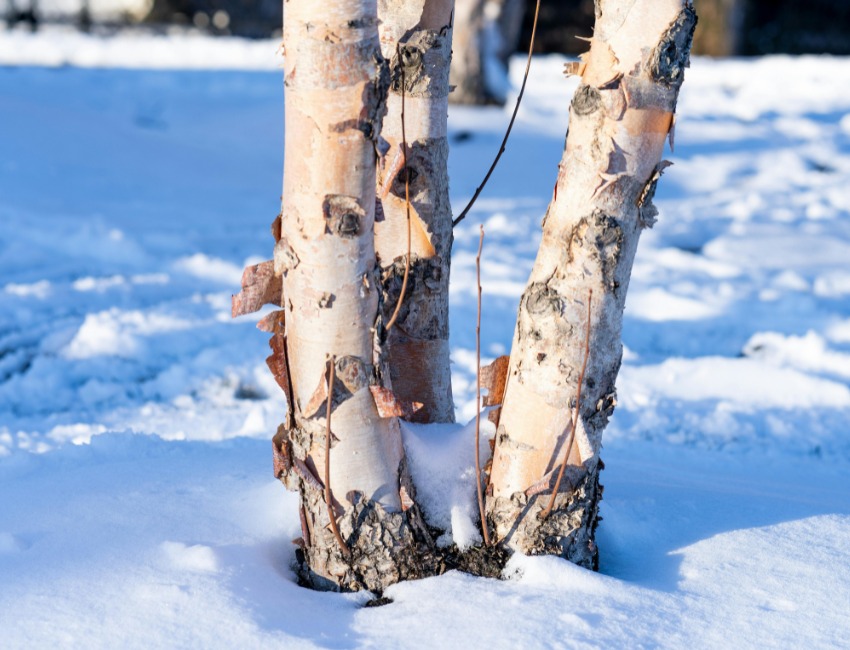
You’ve started noticing D-shaped holes in your ash tree’s bark. And last summer, you remembered the canopy seeming thinner from the top down, yellowing leaves and bare branches. All tell-tale signs of the destructive bronze birch borer, Oregon’s number one birch killer since it first crossed the Cascades in the early 2000s.
What makes this issue especially urgent is timing. Damage builds for years out of sight, and late winter through early spring is the narrow window when arborists can assess whether a birch is still salvageable and apply treatments before beetles emerge and restart the cycle. Knowing what’s happening now helps you make a clear call — protect a tree that can still recover or avoid throwing money at one that can’t.
Key Takeaways
- Bronze birch borer has spread throughout Oregon and preferentially attacks European and Asian birch species common in Lake Oswego and West Linn landscapes.
- Early warning signs include crown dieback starting at the top, yellowing leaves, D-shaped exit holes in the bark, and zigzag ridge patterns; but by the time symptoms appear, trees often have extensive internal damage.
- Trees with less than 40% crown dieback may respond to treatment, while those with greater damage are typically too far gone to save cost-effectively.
- Systemic insecticide treatments must be applied between April 1 and May 15 for maximum effectiveness, making late winter a critical time for professional assessment.
- Prevention through consistent deep watering, mulching, and stress reduction is the best defense for healthy birch trees in areas where bronze birch borer is established.
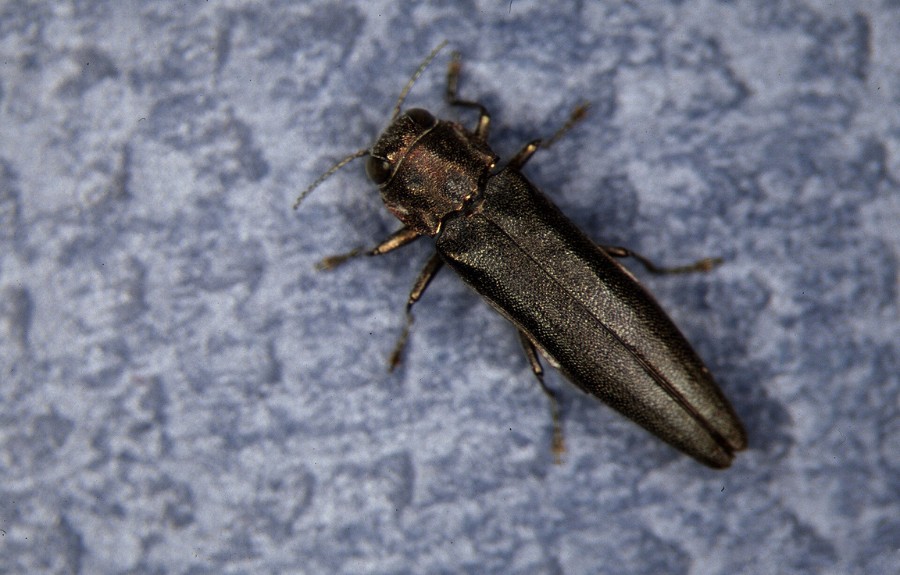
Adult bronze birch borer beetles emerge through D-shaped exit holes in spring. These metallic beetles are about 1/2 inch long and lay eggs that hatch into destructive larvae feeding beneath birch bark. Photo courtesy of: Whitney Cranshaw, Colorado State University / © Bugwood.org
What Is Bronze Birch Borer?
Bronze birch borer is a destructive native beetle that kills stressed European and Asian birch trees by feeding beneath the bark as larvae. First detected west of the Cascades in Beaverton and Tigard in October 2003, bronze birch borer has since spread throughout the Portland area, into Columbia County, and as far south as Klamath Falls.
The pest has killed hundreds of trees across the region, with some neighborhoods seeing 40% of their birches reach severe damage levels that require removal.
The spread has been devastating because:
- European birches planted in the 1980s-2000s are now at peak vulnerability age
- Hot, dry summers stress shallow-rooted European and Asian birch species, making them more vulnerable
- Urban settings (parking strips, full-sun exposures) increase stress
- Once symptoms appear, internal damage is often too extensive to save the tree
Which Birch Species Are at Risk?
European and Asian birch species are highly susceptible, while River birch varieties offer natural resistance. Here’s how different birches stack up against this pest:
Highly Susceptible:
- European white birch (Betula pendula)
- Jacquemontii birch (Betula utilis var. jacquemontii)
- Weeping birch varieties
Resistant (Safe Replacements):
- River birch (Betula nigra)
- ‘Heritage’ and ‘Dura-Heat’ cultivars
What Are the Early Warning Signs of a Bronze Birch Borer Infestation?
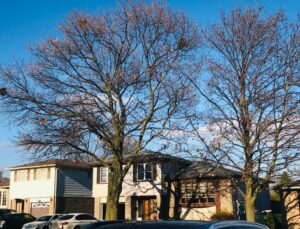
Early warning signs of bronze birch borer include crown dieback, yellowing leaves, and the distinctive D-shaped exit holes in the bark. These symptoms show up first at the top of the tree canopy:
- Sparse, yellowing, or stunted leaves in upper branches (called “flagging branches”)
- Crown dieback starting at the top and progressing downward over 2-3 years
- Increased twig drop from upper portions of the tree
Perhaps the worst part is the hidden damage that’s been accumulating for 1-2 years before symptoms appear. By the time you notice crown problems, larvae have been feeding beneath the bark for at least a year.
D-Shaped Exit Holes Confirm the Infestation
Once adult beetles emerge, they leave distinctive D-shaped exit holes about 1/8 inch across with a flat bottom. These can be hard to spot without close inspection, but they’re the definitive identifier of bronze birch borer.
Other symptoms that indicate an established infestation include:
- Zigzag or “lightning pattern” raised ridges on bark from larval galleries underneath
- Wrinkled or bumpy bark where it’s separating from the wood
- Rust-stained areas around exit holes
- Callus tissue forming around feeding galleries
PRO TIP: By the time you see D-shaped holes in the trunk, the infestation is well-established. That’s why early detection of crown symptoms in late winter (before treatment season) is so critical; because without treatment, most infested trees die within 3-4 years.

Bronze birch borer larvae create distinctive zigzag galleries beneath the bark, disrupting water and nutrient flow. By the time this damage becomes visible, trees often have 30-40% internal damage requiring professional assessment.
Can a Birch Tree Infested With Bronze Birch Borer Be Saved?
Trees with less than 40% crown dieback may respond effectively to treatment. Beyond that point, treatment stops making financial sense. Seriously damaged trees don’t have enough vigor to uptake and transport insecticides throughout the canopy, where they’re needed to kill feeding larvae.
Plan for removal if your tree has:
- Crown dieback exceeding 40%
- Multiple years of visible decline
- D-shaped exit holes on the main trunk
- Failed previous treatment attempts
- Poor location (hot, dry, full sun)
Treatment may be worthwhile if:
- Crown dieback is below 40%
- Tree is in a high-value landscape location
- You caught it early (first season showing symptoms)
- You’re committed to proper ongoing watering and care
EXPERT INSIGHT: If you noticed crown symptoms last growing season, your tree likely already has 30-40% damage – putting you right at that critical threshold. A professional assessment now determines whether you’re scheduling spring treatment or planning removal.
What Treatment Options Are Available for Bronze Birch Borer?
Professional treatments include systemic insecticides that are delivered through two methods: soil drench (applied around the root zone) or trunk injection (injected directly into the tree). Each method uses different products and has slightly different timing requirements based on how quickly the insecticide moves through the tree.
Why April 1-May 15 Is the Critical Treatment Window
This time span is the critical treatment window because trees are actively growing and can uptake and transport systemic insecticides throughout the canopy, where larvae are feeding. Applications outside this window are largely ineffective because trees haven’t started vigorous growth or have already begun slowing down.
Within that active growth period, each application method has its own sweet spot. Soil drench products need several weeks to months to move from roots to crown, making late summer or fall applications practically useless. Trunk injections act faster with a May 1-June 15 window, however, applications should occur after flowering to minimize pollinator exposure.
What Determines Whether Treatment Will Be Effective
Professional treatment for bronze birch borer can be very effective – but only when timing, tree condition, and follow-up care align. These treatments stop new larvae from feeding; they cannot repair existing internal damage.
What homeowners should understand before treating:
- Treatment Only Works When Insecticide Reaches the Canopy: Soil drench products move slowly upward from the roots and typically take 30–60 days to reach feeding larvae. This is why late-summer or fall applications are rarely effective.
- Trunk Injections Deliver Faster Results, but Timing Can’t Be Missed: Injections deliver product directly into the vascular system, making them effective later in spring. Most applications occur after flowering to reduce pollinator exposure and require a licensed applicator.
- Treatment Protects Against Future Damage, Not Past Decline: Even with successful treatment, thinning canopies and crown dieback may continue for a season or two as the tree recovers — if recovery is still possible.
- Ongoing Care Is Part of Successful Treatment: Depending on the product used, protection lasts 1–3 years and repeat applications may be needed to keep borers from reinfesting stressed trees.
How Can I Prevent Bronze Birch Borer from Attacking My Healthy Birch Trees?
You can prevent bronze birch borer by keeping your trees healthy through consistent watering, proper mulching, and stress reduction.
Maintain Consistent Watering to Reduce Tree Stress
For birch trees in Portland’s climate, consistent moisture is the single most critical factor in preventing bronze birch borer attack. Birch have shallow root systems and aren’t drought-tolerant. Portland’s hot, dry summers create exactly the kind of stress that attracts bronze birch borer beetles to weakened trees.
Deep soak your birch every 1-2 weeks throughout summer and into mid-to-late fall; irrigated trees remain healthier and more resistant than trees without supplemental watering.
Support Tree Health with Mulching and Site Care
Watering alone won’t complete your defense strategy. Several other crucial maintenance practices work together to help reduce tree stress, improve resistance, and keep bronze birch borer at bay:
- Apply 2-4 inches of mulch over the drip line (away from trunk)
- Provide afternoon shade when possible
- Prevent trunk wounds from mowers and equipment
- Maintain appropriate fertilization
Consider Preventive Treatment for High-Value Trees
For high-value healthy birch trees in bronze birch borer territory (including all of Portland metro), preventive treatment may be worth considering – especially for mature specimens with significant landscape or sentimental value. Professional removal and replacement of a mature tree costs many times more than annual preventive treatment. Weigh the ongoing maintenance cost against what that tree means to your property.
Frequently Asked Questions About Bronze Birch Borer in Oregon
How much does bronze birch borer treatment cost in the Portland area?
Treatment costs vary based on tree size, method (soil drench versus trunk injection), and number of trees treated, with most homeowners investing several hundred dollars per tree annually. Removal costs depend on tree size, location complexity, and permit requirements. Early prevention through proper watering remains the most cost-effective approach.
Will bronze birch borer spread to my other trees?
Bronze birch borer only attacks birch species and won’t spread to maples, oaks, or other tree types in your landscape. However, adult beetles can fly to nearby birch trees, so if you have multiple birches on your property, all are at risk once bronze birch borer is in your neighborhood.
Can bronze birch borer kill my birch tree in one season?
No, bronze birch borer takes 1-2 years to complete its lifecycle, and tree decline typically occurs over 2-3 years of progressive damage. That’s why early detection is so critical.
What’s the difference between bronze birch borer and other birch pests?
Bronze birch borer creates distinctive D-shaped exit holes (1/8 inch across with flat bottoms) and causes top-down crown dieback. Other birch pests look different: aphids cause leaf curling and sticky honeydew, while bronze birch fungus creates sunken cankers on the trunk.
Should I treat a healthy birch tree preventively if my neighbor’s tree is infected?
If your tree is a susceptible European species, preventive treatment may be worth considering given the close proximity to an active infestation. An ISA Certified Arborist can assess your specific tree’s risk level and help you weigh prevention costs against the replacement value of your mature specimen.

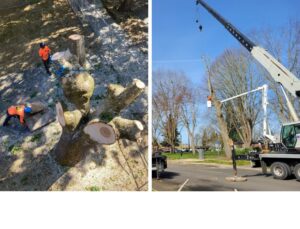
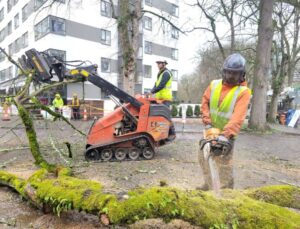
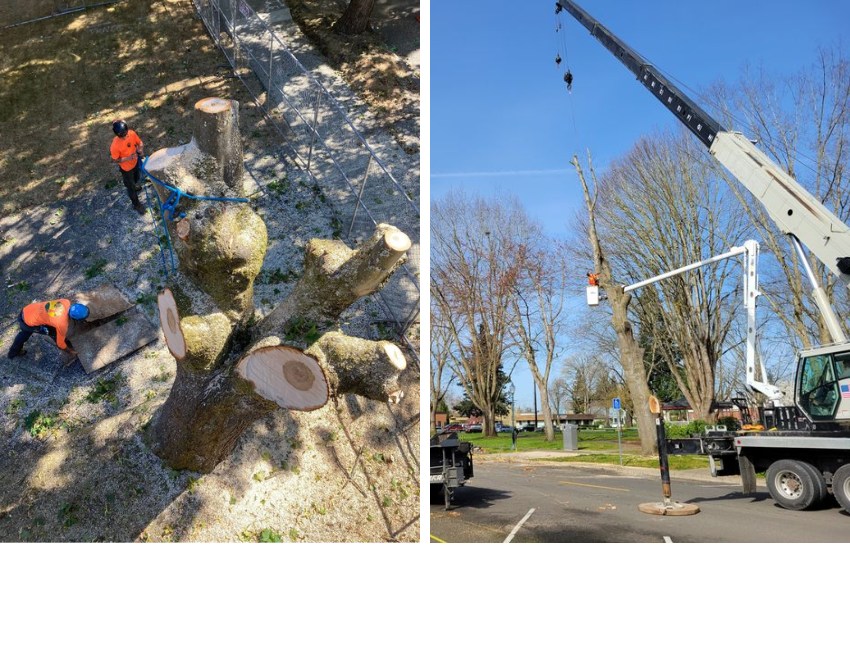
Left photo: Colin Bourgeois, Operations/Sales Manager at ArborPro Tree Experts. Right photo: Licensed arborists navigate Lake Oswego and West Linn permit requirements for both treatment and removal.
Protect Your Lake Oswego Birch Trees Before It’s Too Late
Your birch tree is showing symptoms and the critical time to assess is already slipping away. By the time spring arrives and treatment becomes possible, you need to know whether you’re saving a tree or just delaying the inevitable.
Don’t spend the next few months wondering if your tree is savable. Contact ArborPro’s ISA Certified Arborists for a professional assessment. We’ll tell you straight whether treatment makes sense or if it’s time to plan for removal and replacement.
Call 503-473-8733 or request a free estimate online and get started today.